Remote Healing
Remote Energy Healing: How Distance Sessions Work
A grounded explanation of how remote energy healing sessions are structured, what people often notice, and how to evaluate the experience responsibly.
January 26, 2026 · 5 min read
Written by True Energy Flow Editorial Team
True Energy Flow publishes practitioner-informed educational content on energy work, intuitive guidance, craniosacral therapy, and grounded spiritual support for U.S. readers.
Reviewed by True Energy Flow Safety Review for scope boundaries, clarity, and responsible non-medical framing.
Learn more about the editorial team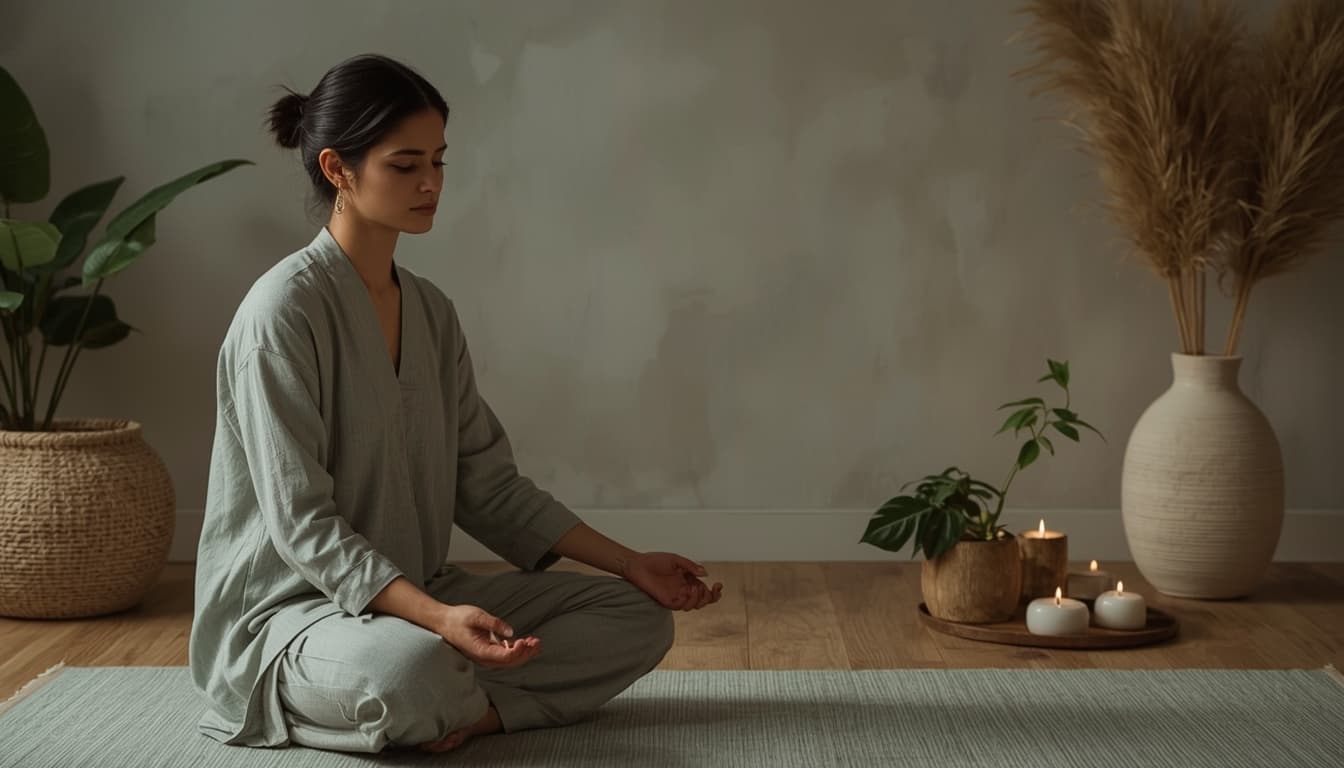
Remote energy healing feels confusing to many first-time readers because it seems to challenge normal assumptions about what a session should look like. People understand a massage, therapy appointment, or bodywork visit because they can picture the room and the process. Distance work is harder to visualize. That gap is exactly why this topic needs practical language instead of mystery.
A remote session usually works less like a performance and more like a structured container. There is an agreed time, a clear intention, a calm environment on the client side, and a debrief or integration step afterward. The practitioner is not claiming magic just because the session happens at a distance. The goal is to create a focused period of attention, regulation, and reflection without requiring the client to travel.
If you are exploring whether this format fits your life, start with the service page for Remote Energy Healing. If you need prep guidance, how to prepare for a remote reiki session is the most practical next step.
What actually happens in a remote session
Most grounded remote sessions follow a simple sequence.
1. A clear intention is set before the session
This may happen by message, form, or brief call. The client identifies what feels most relevant right now. That could be emotional overload, chronic stress, a difficult transition, post-conflict exhaustion, or the need for more clarity before a decision.
The key is specificity. "I want my whole life fixed" is too broad. "I feel depleted after a high-pressure month and want to feel steadier" is usable.
2. The client prepares a quiet environment
You do not need a ceremonial setup. Usually a calm room, a phone on silent, water nearby, and 30 to 60 minutes of relative privacy are enough. The practical goal is to reduce interruption so you can actually notice your own state.
3. The session is held during the agreed window
Depending on the format, the client may rest quietly, sit in reflection, or receive a brief live opening and closing. Some practitioners stay fully live on video, while others work remotely and reconnect at the end. The structure matters more than the exact style.
4. There is an integration period afterward
This is where a lot of value is either captured or lost. Good aftercare often includes quiet, hydration, a short journal note, and attention to sleep, emotional reactivity, and decision-making over the next day or two.
What people commonly notice
The experience varies, but some themes repeat often enough to be useful. People may report:
- a sense of unusual calm
- emotional release without a full story attached
- clearer priorities after feeling scattered
- deeper sleep that night
- a better ability to pause before reacting
- a renewed sense of internal space
Some people also notice almost nothing obvious in the moment. That does not automatically mean the session did nothing. With remote work especially, the more reliable question is often what changes afterward.
Why distance work can still feel effective
The most grounded explanation is not that distance sessions bypass reality. It is that structure, intention, and focused attention can influence how a person relates to stress, awareness, and integration. If the session helps someone shift out of constant bracing, they may think more clearly, sleep better, and act with more steadiness afterward. That is a meaningful outcome even if the experience itself felt subtle.
It is also worth noting that many clients find remote sessions easier to receive because they are at home. There is no commute, no waiting room, and less social effort. For people with demanding schedules, caregiving responsibilities, or travel limitations, that alone can make the work more accessible.
What remote energy healing is not
It is not a substitute for medical evaluation. It is not a replacement for mental health care. It is not a guarantee that symptoms will disappear. And it is not a good reason to ignore practical steps that your situation clearly requires.
A responsible practitioner should frame remote work as complementary spiritual support. That keeps expectations honest and lowers the risk of disappointment or overclaiming.
How to tell if the session was worth it
The best evaluation window is usually 24 to 72 hours after the session. Ask yourself:
- Did I recover from stress faster than usual?
- Did my mental noise decrease?
- Did I feel more emotionally organized?
- Did I notice a clearer next step in a situation that felt tangled?
- Was I able to protect my energy more effectively afterward?
These are grounded markers. They matter more than whether the session felt cinematic.
Common reasons people think remote sessions do not work
Sometimes the issue is not the format. It is the setup. The most common problems are:
- expecting instant transformation
- multitasking during the session window
- doing no reflection afterward
- bringing a vague intention with no real focus
- judging the whole session too quickly
That is why remote healing aftercare and integration plan and remote energy healing for busy schedules: what a short session can support matter. The session is one part of the result. Integration is the other part.
Safety and scope
Remote energy healing is spiritual and educational support. It is not medical diagnosis, not treatment, and not crisis care. If symptoms are acute, persistent, or concerning, licensed care should remain central.
FAQ
Do I need to stay on a video call the whole time?
Not always. Some practitioners use live video, while others use a structured start and finish with a quiet session window in between.
Can remote sessions work as well as in-person ones?
For some clients, yes. Being at home can make it easier to relax and receive the session. Preparation and aftercare often matter more than location.
What should I do right after the session?
Keep things quiet if possible. Drink water, write down a few observations, and avoid stacking the session directly against high-stimulation tasks.
What if I do not feel anything during the session?
That can still be normal. Many clients notice the clearest effects later through sleep, emotional steadiness, or improved clarity.

Related resources
References
Related posts

Remote Healing
Remote Healing Aftercare and Integration Plan
A practical aftercare plan for remote healing sessions so the benefits are more likely to carry into daily life.
Jan 29, 2026 · 2 min read
Remote Healing
Remote Healing vs In Person: What to Choose
A grounded comparison of remote healing and in-person sessions so you can pick the format that best fits your needs and schedule.
Jan 28, 2026 · 2 min read

Remote Healing
Remote Reiki and Long-Distance Healing Session: What Clients Should Expect
Everything you need to know about remote reiki and long-distance healing sessions, from preparation to follow-up.
Feb 25, 2026 · 3 min read
Comments
Load comments and sign in with Google to participate.
Load comments